Diversity, Equity & Inclusion: Concepts and Business Case
Understand DEI concepts and how inclusive practices drive organizational performance.
Course Category
DEI Foundations & Inclusive Practices
Lecturer
Marcus
Brown
Enrolled Learners
0 learners
Last Updated
23-12-2025
Level
All Levels
Available Language(s)
English
What you'll learn
- Define diversity, equity, and inclusion and their interrelationships
- Identify business value of inclusive practices
- Assess organizational readiness for DEI initiatives
- Design actions to advance DEI in teams and processes
Requirements
No prerequisites; curiosity and commitment to inclusion are helpful.
Description
This foundational module explains DEI concepts, the business case for inclusion, and how diverse teams contribute to innovation and resilience. You will examine evidence, common misconceptions, and practical ways to embed DEI into strategy, hiring, and daily operations.
By connecting theory to action, you will be prepared to advocate for inclusive practices that benefit customers, employees, and the bottom line.
Diversity refers to representation and the mix of people from different backgrounds. Equity focuses on fair treatment, access, and opportunity, addressing systemic barriers. Inclusion is about creating environments where all employees feel valued and able to contribute. Together, DEI drives better decision-making, innovation, and performance by leveraging diverse perspectives while ensuring fair treatment and a sense of belonging.
DEI is linked to improved innovation, better problem-solving, higher employee engagement, stronger recruitment and retention, and enhanced customer understanding. Diverse and inclusive teams tend to perform better, adapt to change more quickly, and contribute to resilient business outcomes.
Assess readiness by reviewing leadership commitment, current policies, representation data, inclusion climate, and existing processes (hiring, promotions, performance). Conduct a gap analysis, gather benchmark data, and obtain input from employees across levels to identify priority areas.
Align DEI goals with business strategy, incorporate DEI into policy design and decision-making, ensure accountable ownership at the leadership level, embed inclusive practices in recruiting, onboarding, performance reviews, and product or service development, and monitor progress with data-driven reviews.
Common misconceptions include DEI being solely about compliance, a quick fix, or taking away from merit. Address them by demonstrating the link between DEI and business outcomes, emphasizing sustained culture change, and integrating DEI into core processes (not just training) with measurable results.
Use structured interviews, diverse candidate slates, and objective criteria; standardize evaluation rubrics; provide bias-awareness training for hiring teams; design onboarding that is accessible and welcoming to diverse employees from day one.
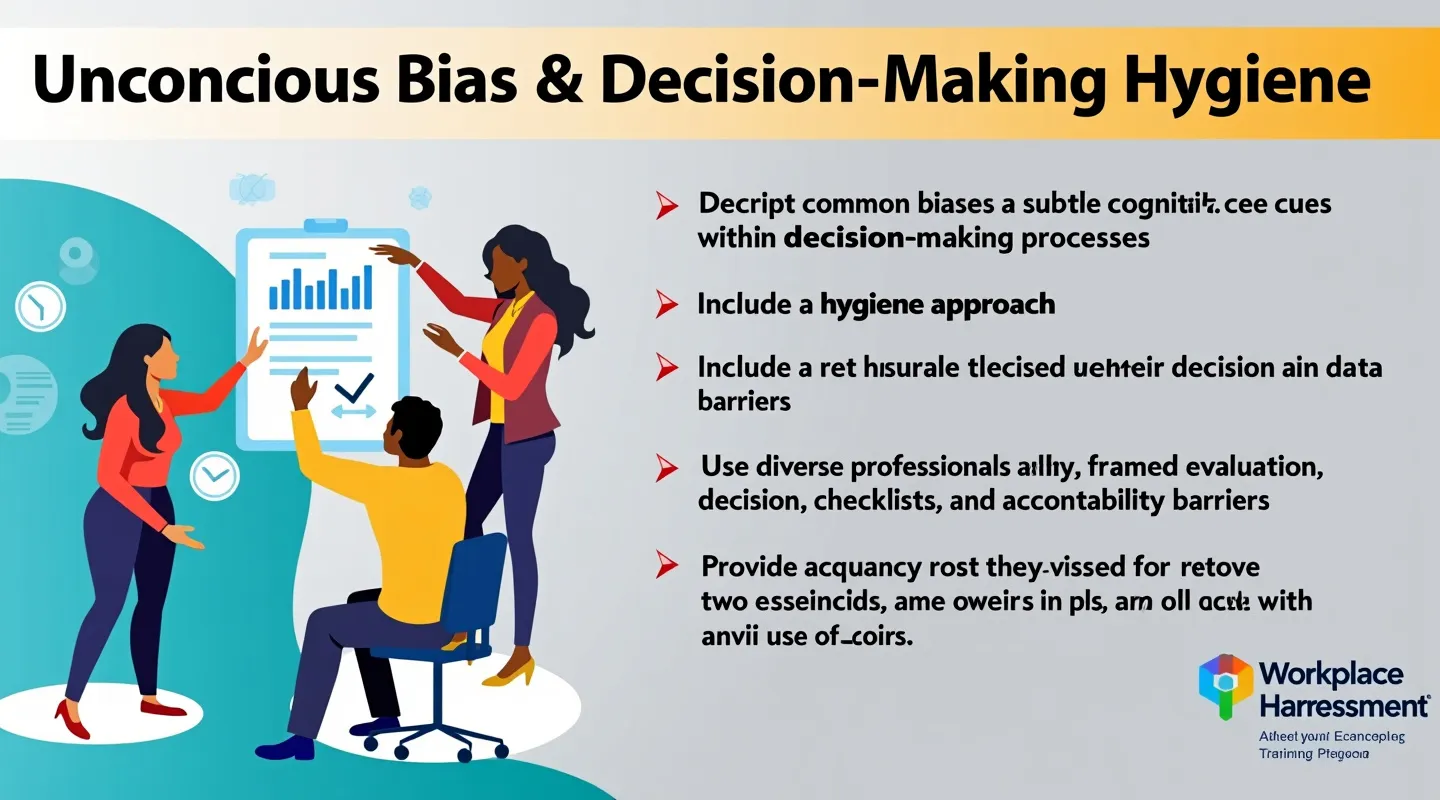
Unconscious bias refers to automatic preferences or stereotypes that influence judgments. It can affect hiring, promotions, or project assignments. Mitigate bias through awareness training, structured processes, diverse decision-making groups, and accountability measures.
Track a mix of quantitative metrics (representation, pay equity, promotions, retention, engagement) and qualitative feedback (surveys, focus groups). Use dashboards, set targets, run pilots, and iterate based on data and outcomes.
Listen to concerns, communicate the business rationale, show early wins, involve stakeholders from across the organization, provide safe spaces for dialogue, and demonstrate how DEI supports overall goals and performance.
Intersectionality recognizes that people have multiple overlapping identities (e.g., race, gender, disability) that shape experiences of bias and access. DEI efforts should address these overlaps to create inclusive policies and opportunities for all groups.
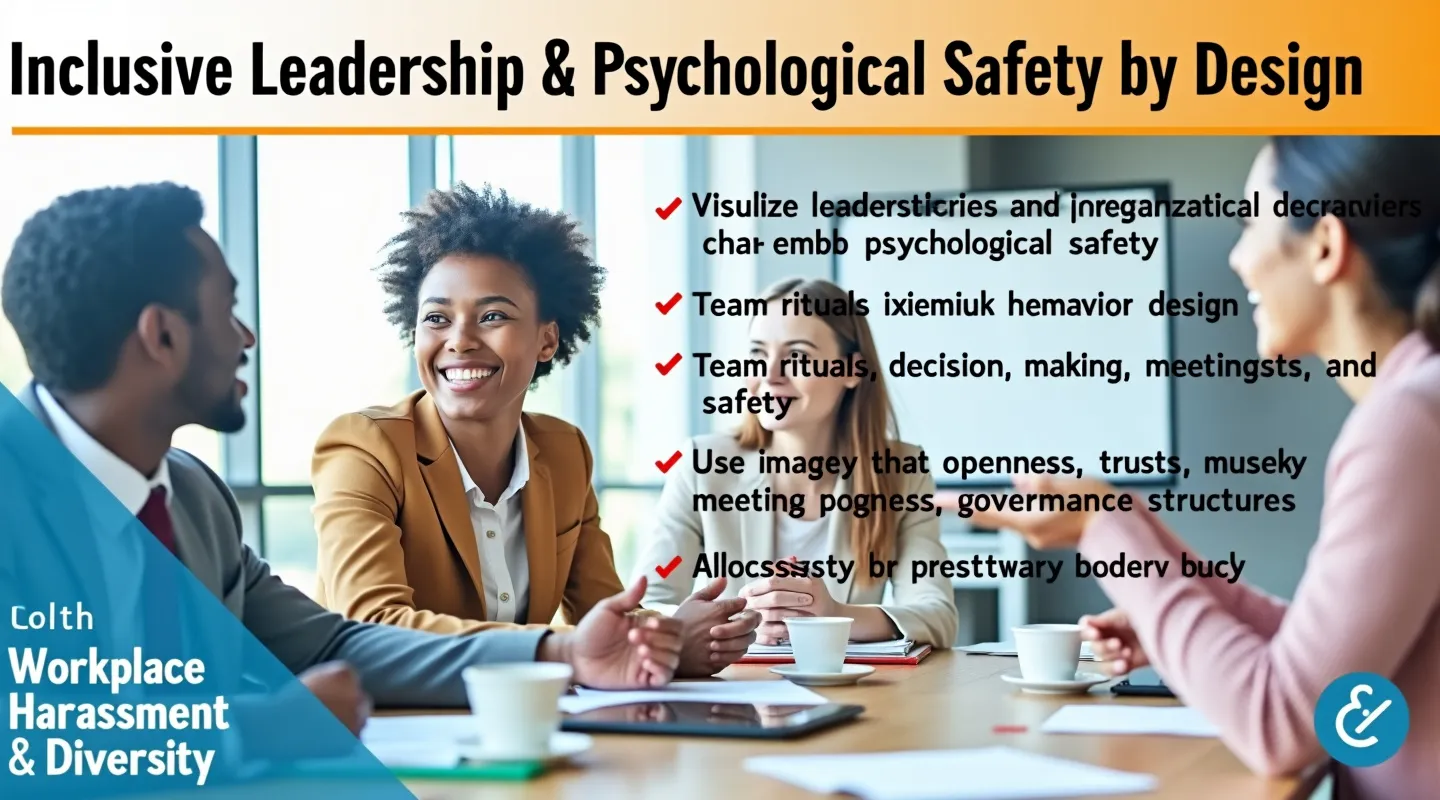
Inclusive leadership involves inviting diverse perspectives, ensuring psychological safety, modeling accountability, and acting on feedback. Cultivation includes coaching, accountability practices, and embedding inclusive behaviors into decision-making and governance.
Embed DEI into policies, product and service design, meetings norms, performance metrics, and governance structures. Ensure diverse representation in cross-functional teams and integrate DEI considerations into strategic planning and operations.
Examples include auditing job descriptions for inclusive language, widening recruitment channels, implementing bias-aware interview practices, scheduling inclusive meetings, and launching a small, measurable DEI initiative with clear ownership.
Focus on systemic changes, use data to drive decisions, involve diverse voices in governance, connect DEI actions to measurable outcomes, and ensure sustained accountability rather than one-off programs.
A dedicated DEI steering or advisory group, executive sponsorship, cross-functional teams, and regular reporting to boards or leadership. Clear roles, budgets, and accountability help sustain momentum and transparency.
Link DEI initiatives to customer insights, product development, and service accessibility. Monitor correlation between diverse teams and customer outcomes, and gather feedback from customers and employees on inclusive practices.
Equality provides the same resources to everyone, while equity aims for fair outcomes by addressing differences in starting points and needs. Equity may involve targeted support, accommodations, or removing barriers to ensure fair opportunity and outcomes.
This quiz assesses your understanding of Diversity, Equity & Inclusion (DEI) concepts and the business case for DEI, as well as practical aspects of harassment prevention, inclusive practices, bystander intervention, and reporting. The questions cover definitions of harassment, implicit bias, microaggressions, inclusive communication, psychological safety, and DEI metrics in the workplace.
$59.00
This Course Include
1 hours
1 quizzes
33 lessons
Full lifetime access
Popular Course



Similar courses

0 learners
$69.00